Featured
Excitement About Does Bankruptcy Make Sense for Most People
A Biased View of Community-Based Debt Forgiveness Options...
What Does Recent Regulations Impacting Debt Relief Availa...
The Basic Principles Of What's Coming for Bankruptcy Coun...
A Biased View of Community-Based Debt Forgiveness Options Explained
Table of Contents
That frees up money in the short term, and you might have 3 to four years to conserve towards the settlement amount. Extremely hazardous to credit history, primarily because of missed settlements and an adverse "cleared up" mark that could remain on your credit history report for up to seven yearsMay be only option if various other options (financial debt consolidation, balance transfer credit rating cards, financial obligation mercy) aren't possibleTypically needs a cost to the third event, which can counter some or all of the cost savings from financial debt settlementMay aid you prevent personal bankruptcy if you have actually missed several paymentsNot all creditors collaborate with financial debt negotiation firms Financial debt mercy might be right for you if you are experiencing an economic difficulty that makes it virtually difficult to pay for your financial debt equilibriums.

With a DMP, you make one regular monthly repayment to the credit scores therapy agency. Those funds are after that distributed to financial institutions of your unsafe financial debts, such as bank card and installment loans. The firm functions with your creditors to reduce interest prices or forgo fees, however some financial institutions might reject such concessions.
A debt consolidation lending combines your eligible debts right into one brand-new car loan. It can assist you pay down debt if you're able to secure a financing rate that's less than the typical rate of the accounts you're consolidating. Nonetheless, you have to avoid racking up financial obligation on those newly removed accounts or your financial debt could grow even greater.
These cards often supply a 0% rate of interest introductory duration of approximately 21 months. That gives you plenty of time to get rid of or considerably lower your balance while making interest-free repayments. For some people dealing with overwhelming financial obligation, personal bankruptcy may be the only method to quit collection procedures and legally fix their financial debts.
Getting The Emerging Regulations Influencing Bankruptcy Procedures To Work
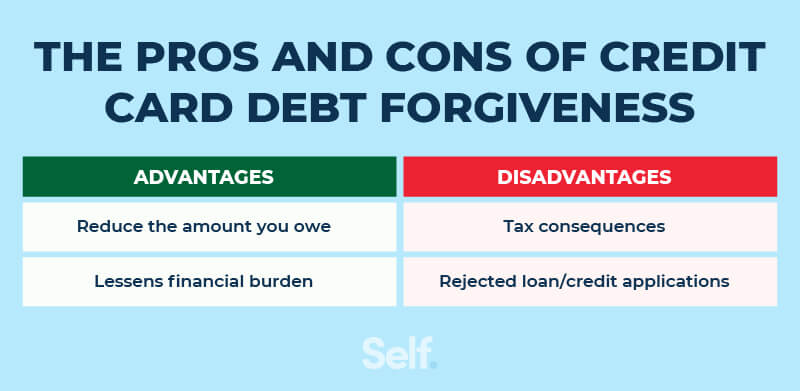
You might require it if your lender or a collection agency ever tries to gather on the financial debt in the future. The letter might show you do not owe what the debt collector's documents show. Yes, in most cases, the internal revenue service thinks about forgiven financial debt as gross income. When a lender forgives $600 or even more, they are required to send you Form 1099-C.
Financial debt mercy or negotiation usually harms your credit report. Anytime you settle a financial debt for much less than you owe, it may appear as "cleared up" on your credit scores record and affect your credit rating for 7 years from the date of negotiation. Your credit scores can additionally go down considerably in the months causing the forgiveness if you fall back on payments.
Things about Reviewing Debt Relief Companies in the Industry
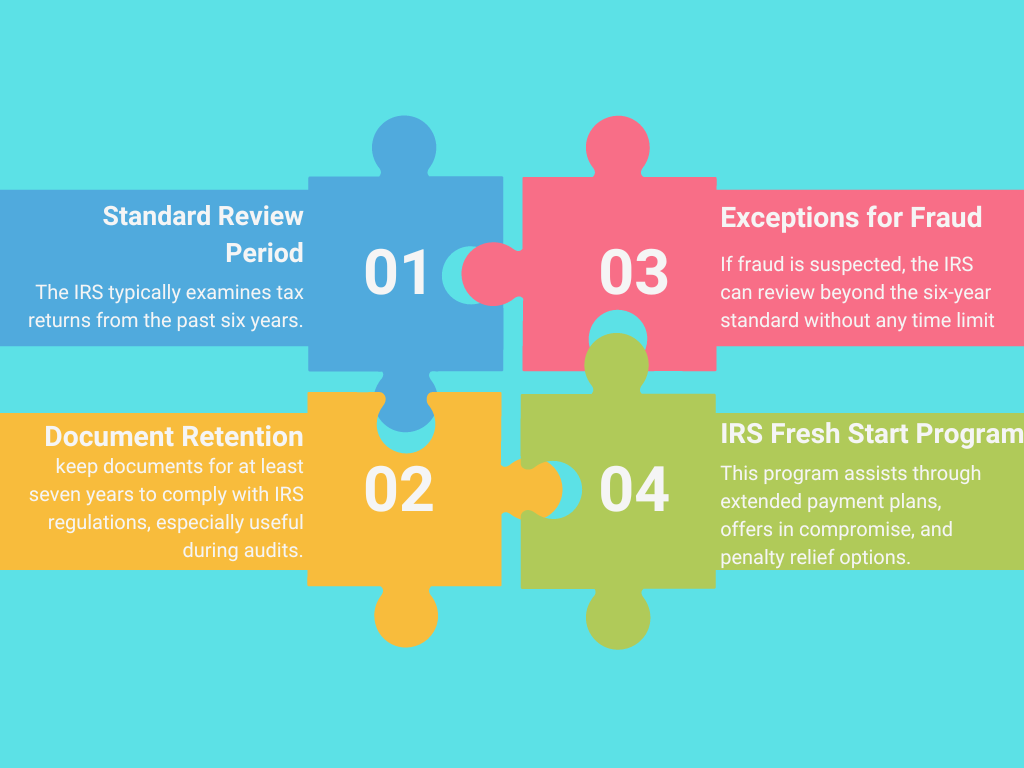
This scenario typically results from underreporting earnings, not filing returns on time, or inconsistencies discovered throughout an IRS audit. The consequences of building up tax debt are significant and can include tax liens, which give the IRS a lawful insurance claim to your residential property as safety for the debt.
Greater interest rates on available credit report. Incomes and Financial institution Accounts internal revenue service can levy (confiscate) incomes and financial institution accounts to please the financial debt. Decreased income and disturbance of necessary economic procedures. Home Seizure In severe instances, the internal revenue service can confiscate and offer home to cover the financial debt. Loss of beneficial possessions and prospective displacement.
Social Preconception Dealing with lawful activity from the Internal revenue service can carry social stigma. Employment Opportunities A bad credit scores rating due to tax debt can restrict work possibilities. Government Advantages Tax financial obligation may impact qualification for government benefits, such as Social Safety And Security and Medicaid.
What to Understand Throughout the Debt Forgiveness Experience for Dummies
The OIC thinks about numerous elements, consisting of the taxpayer's earnings, expenditures, property equity, and ability to pay. Successfully discussing an OIC can be intricate, requiring a detailed understanding of the internal revenue service's standards and a solid argument for why your deal aligns with your capacity to pay. It's vital to note that not all applications are accepted, and the procedure calls for detailed financial disclosure.
The internal revenue service evaluates your total monetary situation, including your earnings, expenses, property equity, and ability to pay. You have to additionally be present with all declaring and settlement requirements and not be in an open bankruptcy proceeding. The internal revenue service likewise considers your conformity history, examining whether you have a record of timely filing and paying tax obligations in previous years.
Things about "Bankruptcy Ruins Your Credit" and Other Falsehoods
The application procedure for a Deal in Compromise entails several detailed actions. You have to complete and submit IRS Kind 656, the Offer in Compromise application, and Kind 433-A (OIC), a collection information statement for individuals. These forms require comprehensive economic information, including details about your revenue, financial obligations, expenses, and properties.
Back tax obligations, which are unsettled tax obligations from previous years, can dramatically boost your complete internal revenue service financial obligation otherwise resolved promptly. This financial debt can build up interest and late settlement fines, making the initial quantity owed a lot bigger with time. Failure to pay back tax obligations can cause the internal revenue service taking enforcement actions, such as issuing a tax lien or levy versus your building.
It is essential to resolve back tax obligations as quickly as possible, either by paying the total owed or by arranging a layaway plan with the IRS. By taking aggressive steps, you can avoid the buildup of extra interest and fines, and protect against much more hostile collection activities by the internal revenue service.
One typical factor is the idea that the taxpayer can pay the sum total either as a swelling sum or through a repayment strategy. The internal revenue service likewise thinks about the taxpayer's earnings, expenses, property equity, and future earning possibility. If these aspects suggest that the taxpayer can pay for to pay greater than the supplied quantity, the internal revenue service is most likely to decline the deal.
Our Innovation Transforming How APFSC Helps Veterans Manage Debt Statements
Dealing with Internal revenue service debt can be complex and challenging. Tax obligation professionals, such as Certified public accountants, tax attorneys, or signed up agents, can provide vital aid.

Table of Contents
Latest Posts

Excitement About Does Bankruptcy Make Sense for Most People
A Biased View of Community-Based Debt Forgiveness Options Explained
What Does Recent Regulations Impacting Debt Relief Availability Do?
More
Latest Posts
Excitement About Does Bankruptcy Make Sense for Most People
A Biased View of Community-Based Debt Forgiveness Options Explained
What Does Recent Regulations Impacting Debt Relief Availability Do?